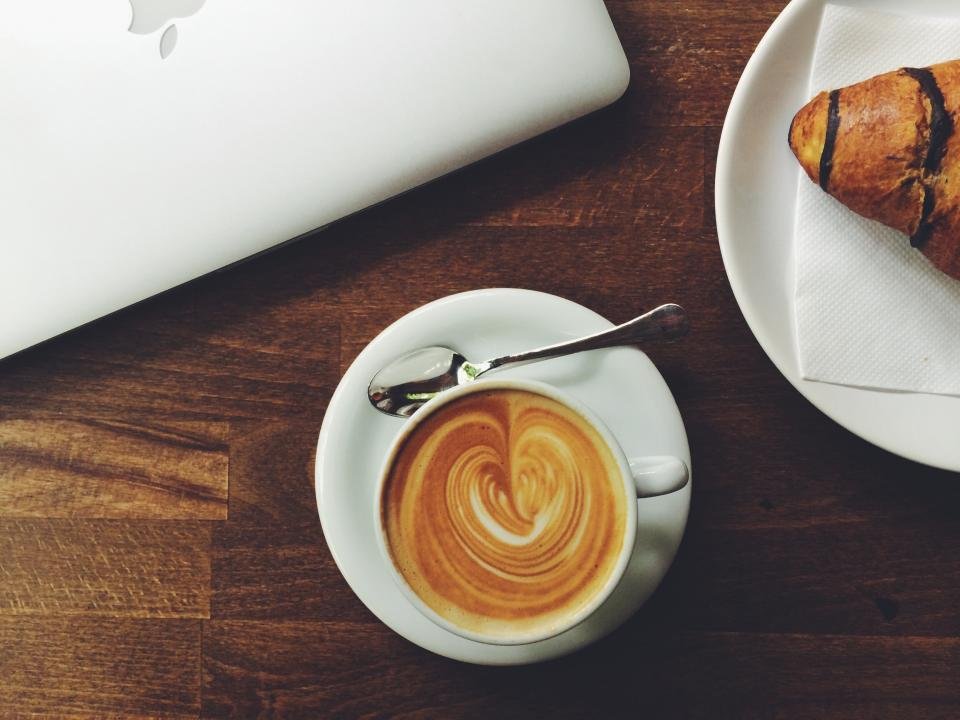
If you’re anything like me, coffee isn’t just a drink; it’s a ritual, a moment of calm, and sometimes, the best part of the day. Whether you’re a fan of bold espresso shots, velvety lattes, or a classic drip coffee, there’s a whole world to explore. Let’s dive into everything coffee, from popular coffee styles and brewing methods to the accessories that elevate your morning cup.
Coffee Guide: Tips for Brewing the Perfect Cup
- Use Fresh Beans – Freshly roasted coffee makes all the difference. Buy small batches and grind just before brewing.
- Mind the Water – Use filtered water for a clean taste. The ideal temperature is around 195-205°F.
- Experiment with Ratios – A general guideline is 1:15 to 1:17 (coffee to water). Adjust to your taste preferences.
- Keep Equipment Clean – Residue can alter the taste of your coffee. Regularly clean your machines and tools
Coffee Guide: How to Make Coffee in a Coffee Maker
A drip coffee maker is one of the easiest ways to make a consistent cup. Here’s a step-by-step guide:
- Ingredients & Tools:
- Freshly ground coffee (medium grind)
- Filtered water
- Coffee filter (if your machine requires it)
- Steps:
- Add the filter and coffee grounds to the machine’s basket. Use about 1-2 tablespoons of coffee per 6 ounces of water.
- Fill the water reservoir with the appropriate amount of water.
- Turn on the machine and let it brew.
- Serve immediately for the freshest flavor.
- Pro Tip: Pre-warm your coffee pot and cups with hot water to keep your coffee hotter for longer.
Coffee Guide: Best Drip Coffee Makers
- Technivorm Moccamaster – Renowned for its precise temperature control and even brewing.
- Cuisinart PerfecTemp – Offers customizable settings for strength and temperature.
- OXO Brew 8-Cup Coffee Maker – A sleek design paired with SCA-certified performance.
Coffee Styles: The Many Faces of Coffee: Popular Coffee Styles

- Espresso – A concentrated shot of coffee that’s the foundation of many drinks like lattes and cappuccinos. Espresso is rich, intense, and packed with flavor.
- Americano – A diluted espresso, perfect for those who like their coffee smooth and mild.
- Cold Brew – Steeped in cold water for hours, this coffee is refreshing, less acidic, and perfect for hot days.
- Pour-Over – A slow, hands-on brewing method that produces a clean, nuanced cup.
- French Press – Bold, full-bodied coffee made by steeping grounds and pressing them with a mesh plunger.
How to Make Espresso Coffee at Home
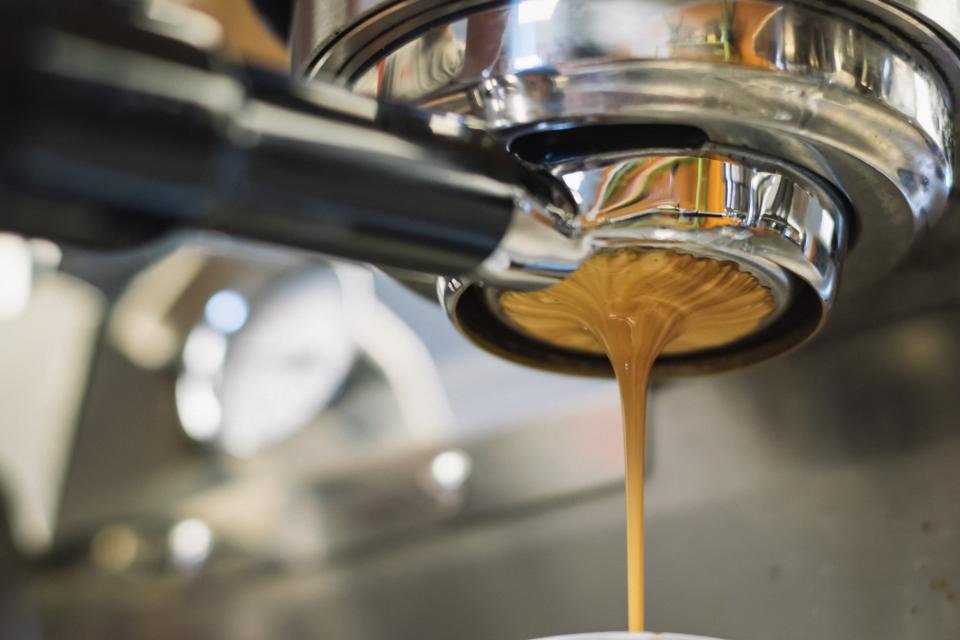
Espresso is a highly concentrated coffee beverage known for its bold flavor, rich aroma, and velvety texture. Originating in Italy, it forms the base of many coffee drinks, including cappuccinos, lattes, and macchiatos. What distinguishes espresso from other brewing methods is its brewing process, which uses high pressure to extract coffee in a short amount of time.
- Characteristics
- Flavor: Intense, complex, and slightly sweet with a thick, syrupy consistency.
- Crema: A golden, foamy layer that forms on top, indicating a well-pulled shot.
- Concentration: Small but packed with flavor; typically served in 1-2 ounce portions.
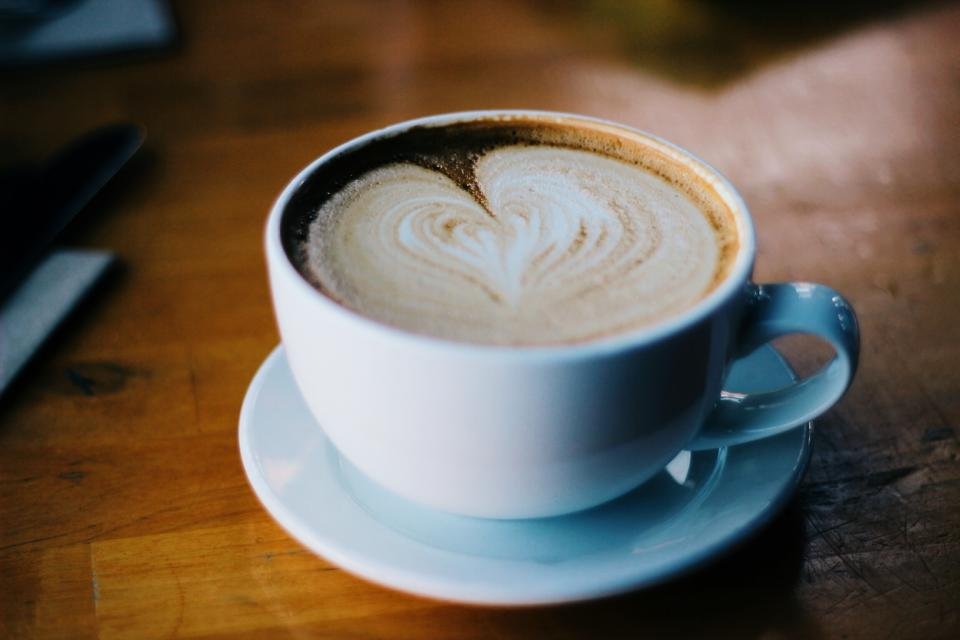
Espresso requires specialized equipment and precise technique to achieve the perfect shot. Here’s a guide to making it:
Espresso Ingredients:
- Freshly roasted coffee beans
- Water (filtered is best)
Equipment:
- Espresso Machine: Essential for producing the pressure (9 bars) needed for espresso.
- Burr Grinder: To achieve a fine, even grind.
- Tamper: To compress the coffee grounds evenly.
- Portafilter: The handle and basket where the coffee grounds are placed.
Step-by-Step Instructions
Prepare the Beans:
Use high-quality, freshly roasted coffee beans.
Grind the beans to a fine consistency, similar to table salt.
Preheat the Machine:
Turn on your espresso machine and allow it to heat up. This ensures consistent water temperature (195–205°F or 90–96°C).
Dose the Coffee:
Measure 18-20 grams of ground coffee for a double shot (adjust based on your machine’s recommendations).
Distribute and Tamp:
Evenly distribute the coffee grounds in the portafilter basket.
Use a tamper to compress the grounds with about 30 pounds of pressure, creating a flat, even surface.
Pull the Shot:
Lock the portafilter into the machine.
Start the extraction process. A double shot should yield about 1.5-2 ounces of espresso in 25-30 seconds. Look for a steady stream resembling warm honey.
Serve:
Pour the espresso into a preheated demitasse cup and enjoy immediately.
Troubleshooting Tips
- Bitter or Burnt Espresso: The grind may be too fine, or the water too hot.
- Weak or Watery Espresso: The grind may be too coarse, or the coffee was under-dosed.
- Uneven Crema: Inconsistent tamping or uneven grounds can cause channeling.
Alternative Brewing Methods (Without a Machine)
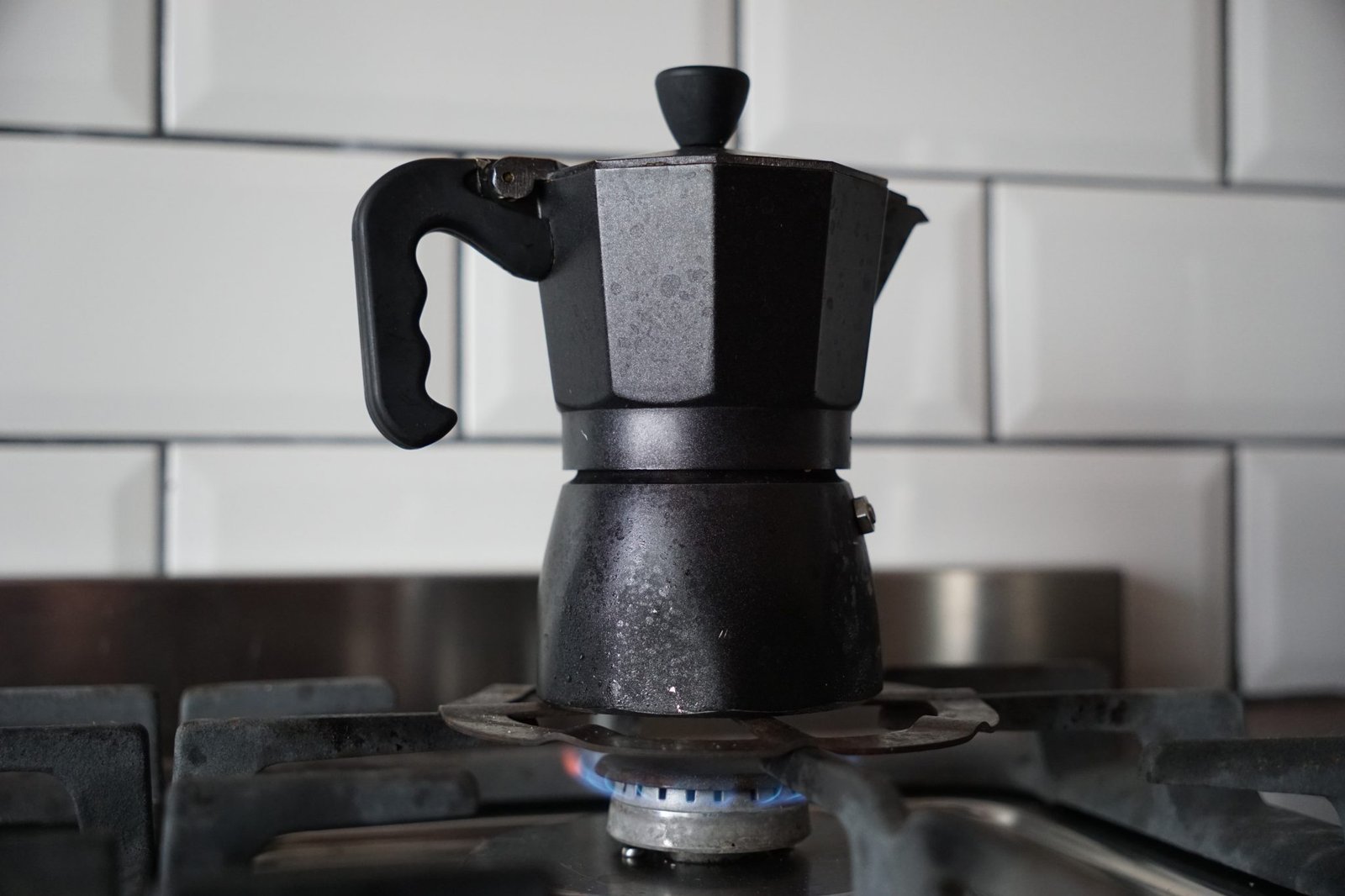
If you don’t have an espresso machine, you can mimic espresso using the following tools:
Moka Pot: Produces a concentrated coffee similar to espresso but lacks crema.
Step by Step (Using a Moka Pot):
- Fill the bottom chamber with water up to the valve.
- Add coffee grounds to the filter basket without packing them too tightly.
- Assemble the pot and place it on medium heat.
- Remove from heat as soon as the top chamber is full.
Brewing Methods Using an Aeropress
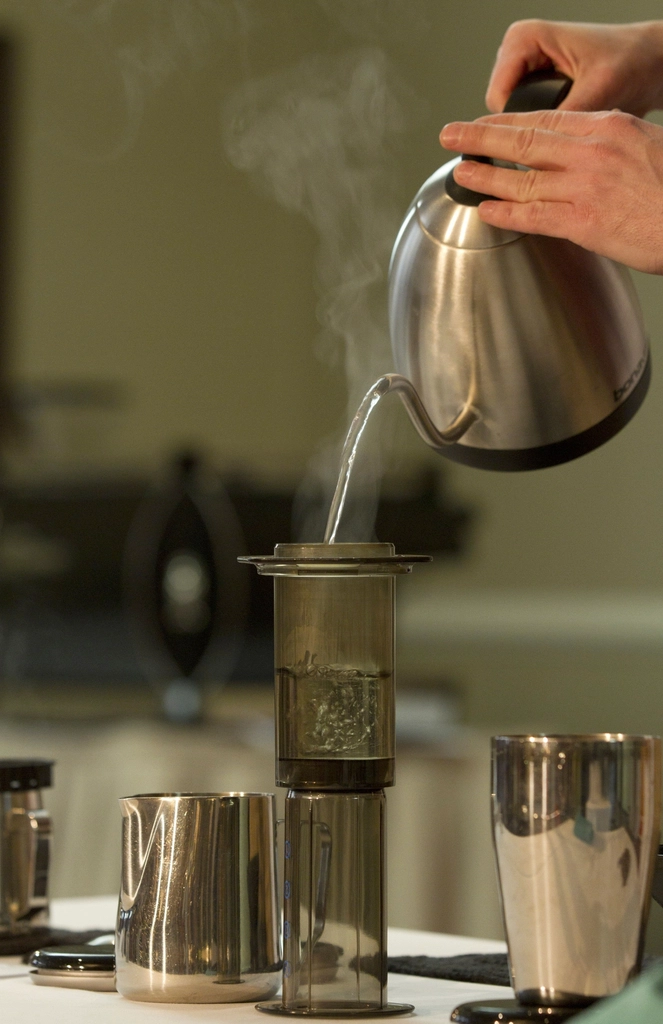
The AeroPress is a versatile, compact, and efficient coffee brewing tool that’s perfect for making a smooth, full-bodied cup. It uses air pressure to extract flavors quickly and cleanly, making it ideal for home use or travel. The AeroPress can brew espresso-like coffee, regular coffee, or even cold brew, depending on your method.
Two main methods can be used with the AeroPress: the Traditional Method and the Inverted Method.
The AeroPress is celebrated for its adaptability and simplicity. Whether you prefer a strong espresso-like shot or a milder cup, its versatility makes it a favorite among coffee enthusiasts worldwide.
Tips for Excellence
- Use Fresh Beans: Ideally, within two weeks of roasting.
- Clean Equipment: Residual oils can affect flavor.
- Practice Extraction Timing: Aim for 25-30 seconds for an ideal shot.
Pro Tip
Use fresh, high-quality beans specifically roasted for espresso to achieve the best results.
Espresso is an art as much as a science, requiring attention to detail and practice. Mastering it unlocks a world of rich, flavorful coffee drinks.
Top Espresso Machines
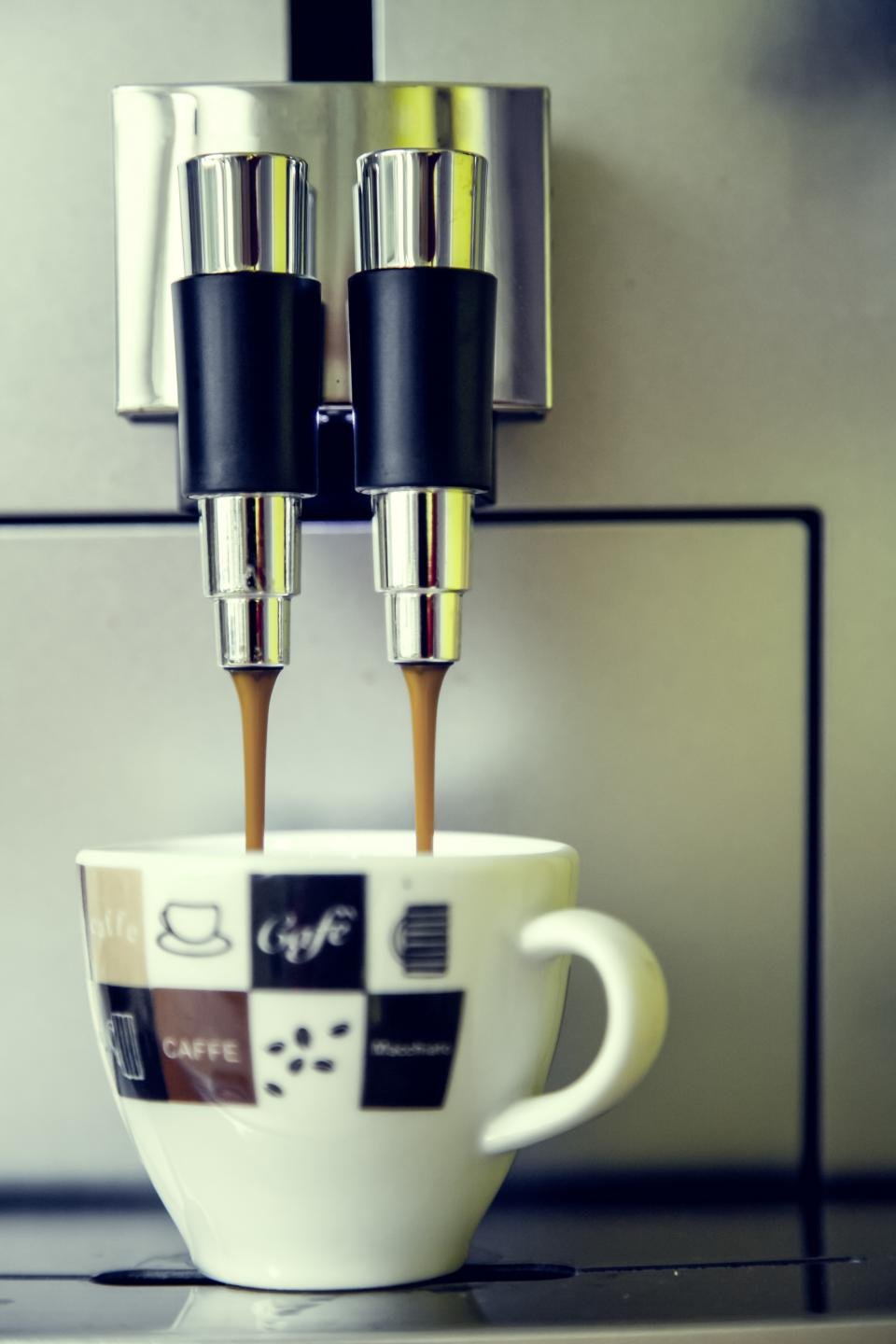
- Breville Barista Express – A favorite among home baristas, this machine combines ease of use with professional-level results.
- De’Longhi La Specialista – Features like a built-in grinder and milk frother make it a versatile choice.
- Nespresso VertuoPlus – Ideal for those who want quality espresso with minimal effort, thanks to its capsule system.
Americano Coffee: Overview and Preparation
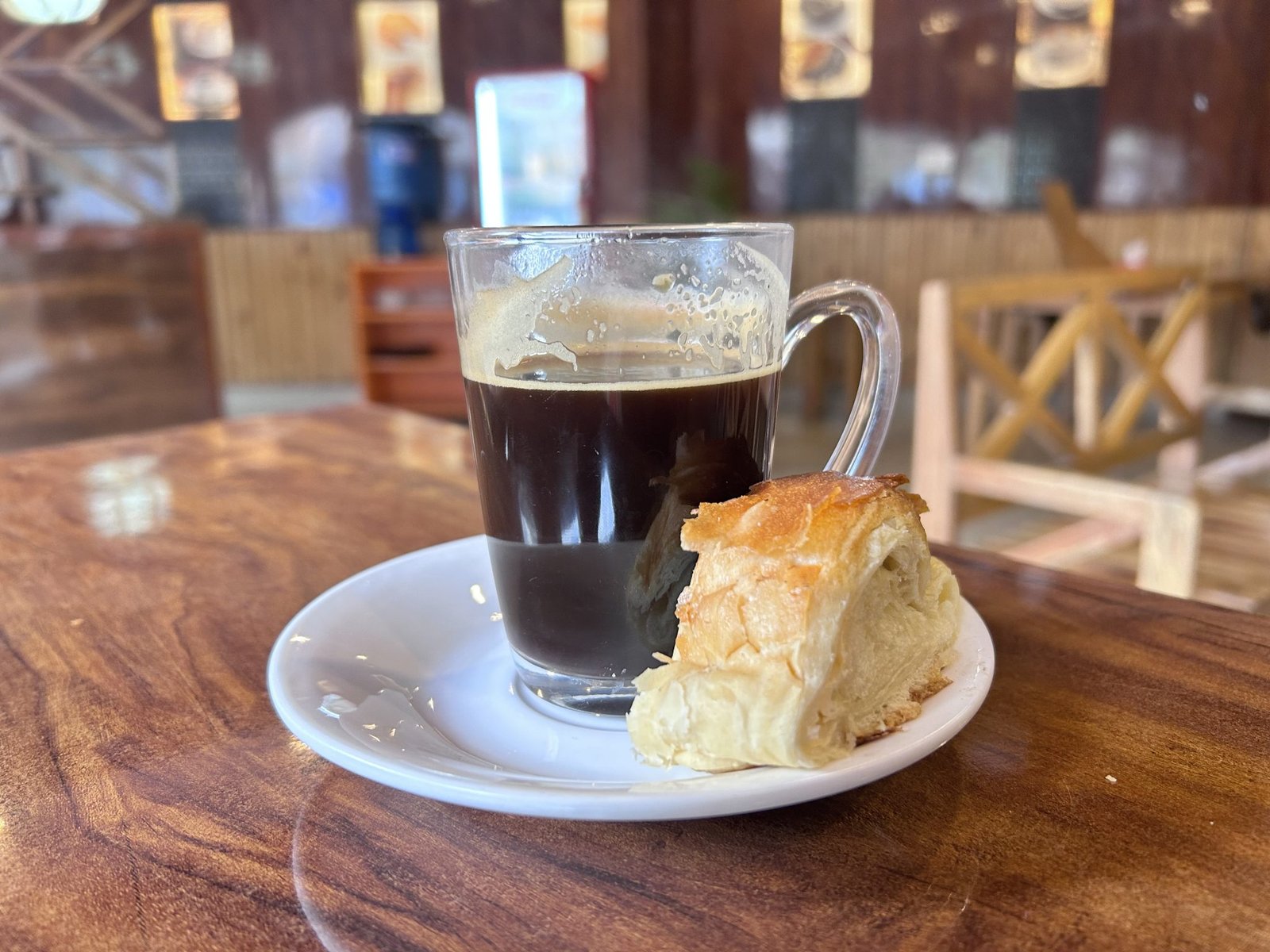
An Americano, short for Caffè Americano, is a popular coffee drink that consists of espresso diluted with hot water. The result is a beverage similar in strength and consistency to drip-brewed coffee but with the rich flavor profile of espresso. It’s said to have originated during World War II when American soldiers in Europe diluted espresso to mimic the coffee they were accustomed to back home.
Characteristics
- Flavor: Smooth and less intense than straight espresso, but richer than regular black coffee.
- Strength: Can be adjusted by altering the water-to-espresso ratio.
- Texture: Retains the crema (a golden, frothy layer) from the espresso if prepared carefully.
How to Make an Americano
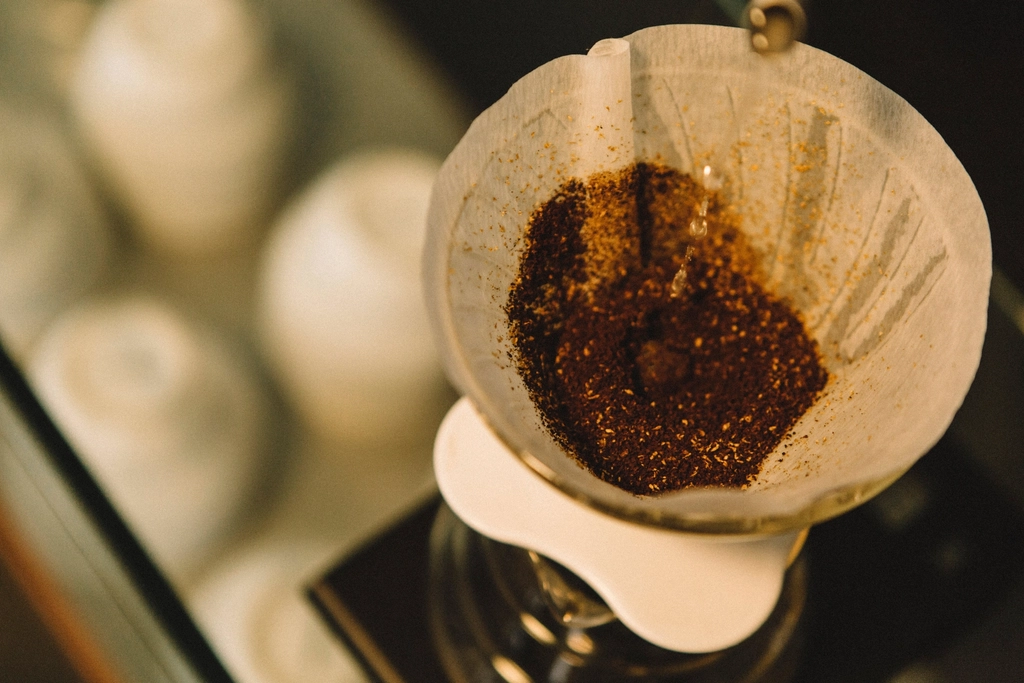
Making an Americano is simple and requires just a few basic steps.
Ingredients:
- Freshly brewed espresso
- Hot water
Equipment:
- Espresso machine (or a pod machine with espresso settings)
- A kettle or hot water dispenser
- A coffee mug or glass
Step-by-Step Instructions:
- Prepare Espresso:
- Brew a single or double shot of espresso (1-2 oz) using an espresso machine.
- Use freshly ground coffee beans for the best flavor. A fine grind is ideal for espresso.
- Heat the Water:
- Heat water to about 160–180°F (70–80°C). Avoid boiling water, as it can scorch the espresso and affect the taste.
- Combine:
- Pour the espresso into your cup.
- Add hot water to dilute the espresso to your desired strength. The traditional ratio is about 1:2 (espresso to water), but this can be adjusted.
- Serve:
- Stir gently if needed and enjoy immediately, plain or with a splash of milk or sugar if preferred.
Variations
- Iced Americano: Replace the hot water with cold water and serve over ice for a refreshing version.
- Long Black: This is similar to an Americano but made by pouring the espresso over the water, preserving more crema.
- Flavored Americano: Add syrups like vanilla, caramel, or hazelnut for a customized taste.
Tips for the Best Americano:
- Use Freshly Roasted Beans: Freshly roasted coffee beans enhance the espresso’s flavor and aroma.
- Experiment with Ratios: Adjust the water-to-espresso ratio to match your preference for strength and flavor.
- Preheat the Cup: This helps maintain the temperature of the coffee for longer.
Enjoy your Americano as a simple yet flavorful alternative to regular coffee!
Cold Brew Coffee: Smooth and Refreshing
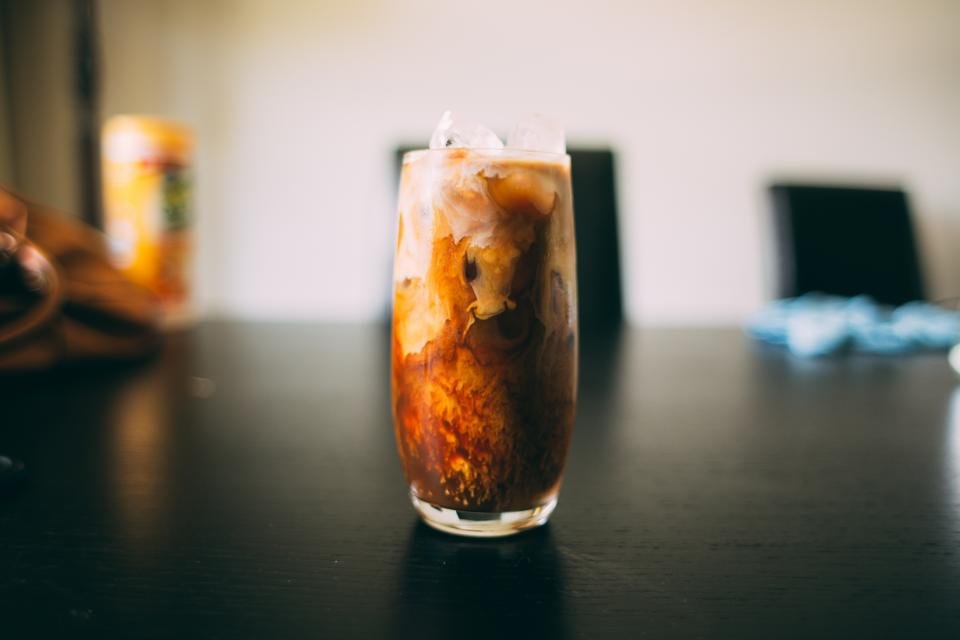
Cold brew coffee is a popular brewing method that uses time rather than heat to extract flavors from coffee grounds. The result is a smooth, slightly sweet, and less acidic beverage that’s perfect served over ice, diluted with water, or mixed with milk. Cold brew is also versatile, often used as a base for creative coffee drinks.
What Makes Cold Brew Unique?
- Flavor Profile: Smooth and mellow, with chocolatey and nutty notes often highlighted.
- Acidity: Lower acidity than hot-brewed coffee, making it gentler on the stomach.
- Caffeine Content: Typically higher due to a longer brewing process and higher coffee-to-water ratio.
How to Make Cold Brew Coffee at Home
Making cold brew coffee at home is simple and rewarding. Here’s how:
- Ingredients & Tools:
- Coarsely ground coffee beans (1 cup)
- Cold water (4 cups)
- A cold brew maker or mason jar with a strainer
Step-by-Step Instructions:
- Measure Coffee and Water:
- Use a ratio of 1:4 (1 part coffee to 4 parts water) for a concentrate, or 1:8 for ready-to-drink cold brew.
- For example, combine 100 grams (about 1 cup) of coffee with 800 ml (about 4 cups) of water for concentrate.
- Combine and Stir:
- Add the coarsely ground coffee to your jar or pitcher.
- Pour in the water and stir gently to ensure all grounds are saturated.
- Steep:
- Cover the container and let it steep at room temperature for 12–18 hours, or in the fridge for a slightly longer brewing time.
- Filter:
- Strain the coffee using a coffee filter, fine mesh strainer, or cheesecloth to remove the grounds.
- Transfer the filtered coffee to a clean jar or bottle.
- Dilute and Serve:
- If you made a concentrate, dilute it with water or milk in a 1:1 ratio before serving.
- Serve over ice, and sweeten or flavor as desired.
Cold Brew Tips for Success
- Use Coarse Grounds: Prevent over-extraction and keep the coffee clear.
- Experiment with Ratios: Adjust coffee-to-water ratios for your preferred strength.
- Store Properly: Keep cold brew refrigerated and consume within 1–2 weeks for optimal freshness.
Cold Brew Variations
- Nitro Cold Brew: Cold brew infused with nitrogen gas for a creamy texture and foamy head.
- Flavored Cold Brew: Add cinnamon, vanilla, or flavored syrups for a twist.
- Iced Latte: Mix cold brew with milk or plant-based alternatives for a smooth, creamy drink.
Popular Cold Brew Products
- Takeya Patented Deluxe Cold Brew Coffee Maker:
- A user-friendly, compact pitcher with a fine mesh filter for easy brewing.
- OXO Brew Compact Cold Brew Coffee Maker:
- Features a rainmaker lid for even saturation and a spout for smooth pouring.
- Hario Mizudashi Cold Brew Coffee Pot:
- Sleek and simple, with a built-in filter and glass design.
Cold brew coffee is a refreshing alternative to traditional hot brewing methods, offering a rich and versatile coffee experience. Whether enjoyed black, with milk, or in a fancy iced concoction, cold brew is a favorite among coffee lovers for its flavor and convenience.
Pour-Over Coffee: A Hands-On Brewing Method
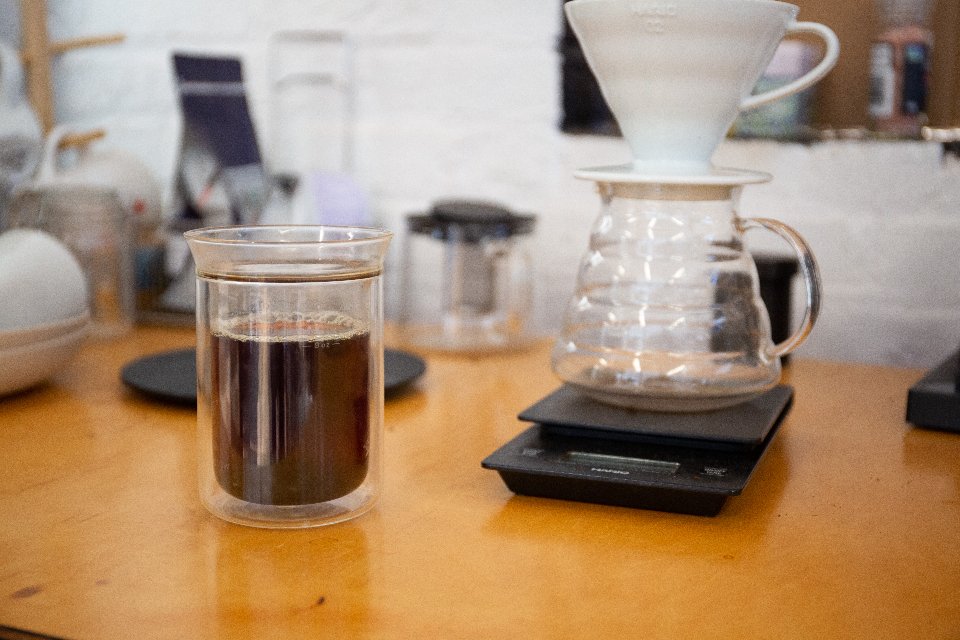
Pour-over coffee is a manual brewing technique that emphasizes control and precision, producing a clean, nuanced cup. It involves pouring hot water over coffee grounds in a filter, allowing the water to extract the flavors as it drips into a carafe or mug below. This method is cherished by coffee enthusiasts for its ability to highlight the delicate flavors and aromas of high-quality beans.
Characteristics
- Flavor Profile: Bright, clean, and layered, often showcasing subtle notes in specialty beans.
- Body: Lighter than immersion methods (like French press) but with clarity and complexity.
- Brewing Time: Typically takes 3–5 minutes, depending on the recipe and pour rate.
Essential Tools
- Pour-Over Brewer: Common options include the Hario V60, Chemex, or Kalita Wave.
- Filters: Paper filters (specific to your brewer) help achieve the clean taste.
- Gooseneck Kettle: Allows precise water flow and control during pouring.
- Burr Grinder: For even coffee grounds.
- Scale: To measure coffee and water accurately.
- Timer: To monitor the brewing process.
How to Make Pour-Over Coffee
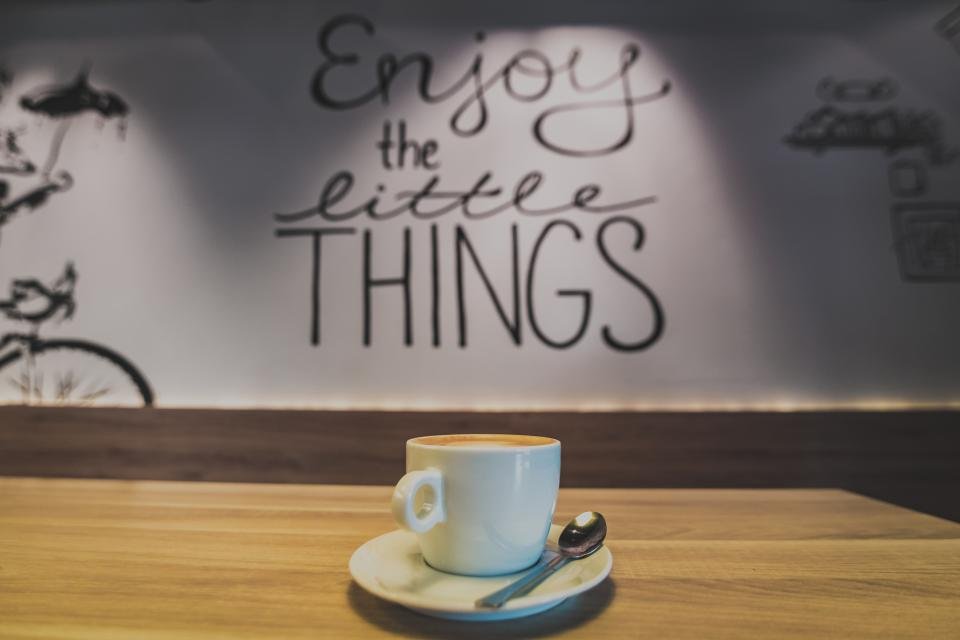
Ingredients:
- Freshly roasted coffee beans
- Filtered water
Step-by-Step Instructions:
- Heat the Water:
- Bring water to 195–205°F (90–96°C), just below boiling.
- Prepare the Brewer:
- Place the pour-over device on your mug or carafe.
- Insert a paper filter and rinse it with hot water. This removes any paper taste and preheats the brewer.
- Measure and Grind:
- Use a 1:15 to 1:17 coffee-to-water ratio. For example, 20 grams of coffee to 300 grams of water.
- Grind coffee to a medium-coarse consistency, similar to sea salt.
- Add Coffee Grounds:
- Place the ground coffee into the filter and level it out gently.
- Bloom the Coffee:
- Start a timer and pour a small amount of water (about twice the weight of the coffee grounds) over the grounds. This “blooms” the coffee, allowing gases to escape and enhancing extraction.
- Let it sit for 30–45 seconds.
- Pour in Stages:
- Slowly pour water in a circular motion, starting from the center and moving outward, avoiding the edges of the filter. Pause periodically to allow water to drip through before adding more.
- Maintain consistent pouring to reach your total water weight (e.g., 300 grams for 20 grams of coffee).
- Wait and Serve:
- Once the water has fully dripped through (3–5 minutes), remove the filter and discard the grounds.
- Swirl the brewed coffee to ensure even mixing and serve immediately.
Coffee Style: French Press Coffee: Bold and Full-Bodied
The French Press, also known as a press pot or cafetière, is a classic brewing method that produces bold, full-bodied coffee. It works by steeping coarse coffee grounds in hot water and then separating the grounds using a mesh plunger. This method allows for maximum extraction, resulting in a rich and flavorful cup with a heavier mouthfeel.
Characteristics
- Flavor Profile: Rich and robust with pronounced oils and flavors from the coffee beans.
- Body: Full-bodied with a slightly heavier texture due to the presence of natural coffee oils.
- Brewing Time: Around 4 minutes of steeping.
How to Make French Press Coffee
Ingredients:
- Freshly roasted coffee beans
- Filtered water
Equipment:
- French press
- Burr grinder
- Kettle
- Timer
- Scale (optional)
Step-by-Step Instructions
- Heat the Water:
- Bring water to 195–205°F (90–96°C), just below boiling.
- Measure and Grind:
- Use a coffee-to-water ratio of 1:15. For example, 30 grams of coffee for 450 grams of water.
- Grind coffee to a coarse consistency, similar to breadcrumbs.
- Preheat the French Press:
- Pour hot water into the French press to warm it up, then discard the water.
- Add Coffee Grounds:
- Place the ground coffee into the French press.
- Pour Water and Stir:
- Pour the hot water over the grounds, ensuring all the grounds are saturated.
- Stir gently with a wooden or plastic spoon to ensure even extraction.
- Steep:
- Place the lid on the French press with the plunger pulled up. Let the coffee steep for 4 minutes.
- Press and Serve:
- Slowly press the plunger down to separate the coffee from the grounds.
- Pour the coffee immediately to avoid over-extraction and bitterness.
Tips for Perfect French Press Coffee
- Use Coarse Grounds: Fine grounds can pass through the mesh filter, making the coffee muddy.
- Serve Immediately: Letting the coffee sit in the French press can lead to over-extraction.
- Experiment with Ratios: Adjust coffee and water amounts to suit your taste preferences.
Why Choose French Press?
The French Press is an excellent choice for coffee lovers who prefer a bold, full-bodied brew. Its straightforward process, combined with the ability to control variables like grind size and steep time, makes it both accessible and customizable. Whether you’re new to coffee brewing or a seasoned enthusiast, the French Press offers a timeless, satisfying experience.
Popular French Press Products
Here are some highly rated and popular French press coffee makers:
- Bodum Chambord French Press Coffee Maker
- Classic design with stainless steel frame and borosilicate glass beaker.
- Available in multiple sizes (3-cup, 8-cup, etc.).
- Secura Stainless Steel French Press
- Double-walled, vacuum-insulated design for keeping coffee hot longer.
- Durable, rust-proof stainless steel construction.
- Mueller French Press
- Rust-free stainless steel with a triple-layered filter for smooth coffee.
- Known for its durability and excellent heat retention.
- Fellow Clara French Press
- Sleek, modern design with an insulated stainless steel body.
- Features a built-in agitation tool for even extraction.
- Coffee Gator French Press
- Double-layered stainless steel construction.
- Comes with a mini canister for storing coffee grounds.
Top Coffee Products
- Chemex Classic Pour-Over Glass Coffeemaker – Perfect for a clean and flavorful cup, available here.
- Takeya Cold Brew Coffee Maker – A beginner-friendly option for cold brew lovers, available here.
- Baratza Encore Grinder – A top-tier burr grinder for consistent grounds, available here.
- Fellow Stagg EKG Electric Kettle – A stylish and precise kettle for pour-over, available here.
Coffee connects us all, whether it’s an Italian espresso bar, a bustling Turkish café, or your own cozy kitchen. Every cup tells a story, and exploring new brewing methods and coffee styles is part of the joy. So grab your favorite mug, experiment with your setup, and savor every sip—after all, life’s too short for bad coffee.
Disclaimer: This post may contain content created by AI or other automated technologies. Such content is provided for informational purposes only and should not be relied upon for any specific purpose without verification of its accuracy or completeness.
As an Amazon Affiliate, I receive a commission if you make a purchase, at no additional cost to you.